9 Reasons to Choose a Private Surgical Facility over a Public Hospital
Private surgical facility · Kanata, Ottawa Choosing where your surgery happens matters almost as much as choosing who performs it. Public hospitals are essential for
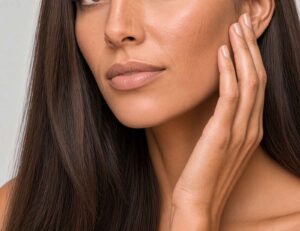
Restore lost volume and sculpt high cheekbones for a more youthful, defined facial structure.
Procedure Summary
Cheek fillers are a minimally invasive procedure which uses injectable hyaluronic acid to restore lost volume and add definition to your cheeks
Average Cost
$600 to $2,000 per syringe
Time Duration
15-30 minutes
Alternate Names
Dermal Fillers
Cheek fillers are dermal fillers specifically designed to target the midface, restoring volume, lifting the cheeks, and correcting slight hollowness or sagging. They use hyaluronic acid, a natural substance in your body, to plump up the area and smooth out lines. This can leave you with a replenished plump and youthful appearance, without needing surgery. Plus, the results can often last for a year or more.
At Kanata Plastic and Cosmetic Surgery, our nurse injectors, each a registered nurse or RPN (Registered Practical Nurse), offer a variety of cheek fillers tailored to meet your unique aesthetic goals. During your consultation, they will discuss the best options for you, considering your specific treatment goals and facial structure.
Different types of dermal fillers can enhance the appearance of your cheekbones. How the cheek fillers work depends on the type of filler your provider uses:
This is the most common filler. Hyaluronic acid is a naturally occurring substance found in your skin. As you age, the levels of HA in your skin decrease, leading to wrinkles and loss of volume. Providers use HA injections to increase volume and keep your skin hydrated. Results from HA fillers typically last about one year. Popular HA injections include JUVÉDERM® and Restylane®.
Calcium hydroxylapatite is a naturally occurring substance found in your bones. Providers use CaHA injections to add fullness to your cheekbones and smooth deeper lines and wrinkles. Results from CaHA fillers usually last about 15 months. A well-known brand using CaHA fillers is Radiesse®
Poly-L-lactic acid is a synthetic substance that helps your body produce its own collagen. Providers typically use PLLA to treat deep wrinkles on your cheeks. Results from PLLA fillers can last two years or more. A popular brand of poly-L-lactic fillers is Sculptra®.
PMMA consists of tiny collagen beads that help your cheeks look firm and full. Providers use PMMA to bring firmness and structure to your cheeks. Results from PMMA can last for years, but your provider may need to inject them more than once. A well-known brand using PMMA is Bellafill®.
Cheek fillers offer a range of advantages that many people find appealing. Here are some of the top reasons why patients love cheek fillers:
Before getting cheek fillers, you’ll have a consultation with one of our nurse injectors. During this visit, your face will be examined, and your treatment goals will be discussed to determine the most suitable filler. You may also be asked about your medical history, including:
Allergies
Tell your nurse injector about any allergies, especially to substances found in dermal fillers.
Autoimmune Conditions
Disclose any autoimmune conditions like lupus or rheumatoid arthritis, as they may cause complications.
Gastrointestinal Conditions
Mention conditions like Crohn’s disease or ulcerative colitis, which can sometimes lead to swelling after fillers.
Medications and Supplements
List any medications or supplements you take, especially NSAIDs and blood thinners, which can increase bleeding risks.
Previous Cosmetic Procedures
Share details of any past fillers or cosmetic procedures, as they can impact the current treatment.
Skin Conditions
Inform about any skin diseases or sensitivities.
Smoking Habits
Let your nurse injector know if you smoke, as it can affect healing.
History of Transplants
Disclose any history of bone marrow or organ transplants due to higher infection risks.
Recent Vaccinations
Mention any recent vaccinations, as they might cause swelling post-procedure.
Your nurse injector will also discuss possible side effects and recovery time. They may mark your face to indicate injection sites and take before-and-after photos. Your skin will be cleaned, and a numbing agent may be applied.
Using a thin needle, your nurse injector will inject small amounts of filler into several areas of your cheek. The procedure typically takes about 15 to 30 minutes and involves minimal discomfort.
Cool packs may be applied immediately after the injections. For a few days, you might experience bruising, discomfort, and swelling. While you’ll see some immediate results, it can take several days to months to see the full effects, depending on the type of filler. If you receive PMMA fillers, you’ll need to massage the treated areas for about 5 minutes several times a day for one to two weeks.
Your nurse injector will give you specific aftercare instructions tailored to your filler type and injection sites. However, some fundamental guidelines apply across the board:
Aftercare | Dos | Don’ts |
Touching and Manipulation | Avoid touching or massaging treated areas for 3-4 hours. | Do not manipulate the treated areas to prevent swelling and filler displacement. |
Cleansing and Makeup | Use a gentle cleanser and follow the provided care instructions. | Avoid applying makeup directly on treated areas initially. |
Food and Water Intake | Drink plenty of water and eat anti-inflammatory foods. | Do not consume alcohol for 24-48 hours. |
Exercise and Activities | Rest and avoid strenuous activities for 24 hours. | Do not engage in intense exercise or activities that raise blood pressure. |
Sun Protection | Use SPF 30 or higher sunscreen to protect from sunlight. | Avoid direct sun exposure and incidental exposure through windows. |
Medications and Supplements | Talk to your nurse injector before stopping any necessary meds. | Avoid blood-thinning medications or supplements like aspirin, ibuprofen, fish oil, and vitamin E for 5-7 days. |
Signs of Complications | Contact us if you notice excessive redness, pain, heat, nodules, or pus. | Do not wait for matters to get worse. |
Common side effects of cheek fillers include swelling, bruising, redness, and tenderness at the injection sites. These effects are usually mild and subside within a few days.
Rare complications can include infection, allergic reactions, or filler migration. In very uncommon cases, blood vessel blockage can occur, leading to more serious issues.
You’ll likely see some improvement right after your cheek filler appointment, with the full effect kicking in within a few days to weeks. This depends on the specific filler used. The great news is that these results can last anywhere from six months to two years. Everyone’s different, though, and things like your metabolism, lifestyle, and how much you move your face can influence how long the fillers last. To keep your refreshed look, top-up appointments are recommended.
The cost of cheek fillers can vary depending on a few factors, such as the type of filler used, the clinic's location, your nurse injector’s experience, and how much filler you need. On average, you can expect to pay between $600 to $2,000 CAD per syringe. The number of syringes you'll need will depend on your needs and the results you're looking to achieve.
To schedule your consultation, simply call our Cosmetic
Patient Coordinators at 613-591-1099 or complete the
contact form below. We are here to support you through
your journey and look forward to assisting you!

9 Reasons to Choose a Private Surgical Facility over a Public Hospital
Private surgical facility · Kanata, Ottawa Choosing where your surgery happens matters almost as much as choosing who performs it. Public hospitals are essential for

Lip Filler vs Lip Flip Ottawa Cost | Kanata Plastic Surgery
Lip Filler vs Lip Flip in Ottawa: Which One Suits You Compare lip flip and lip filler in Ottawa. Learn what each does, how long

Botox and Dysport Ottawa | Natural Results in Kanata
Botox and Dysport in Ottawa: How to Look Rested, Not Frozen Considering Botox or Dysport in Ottawa? Learn how neuromodulators work, what a natural result

Neck Lift in Ottawa: Understanding How Neck Rejuvenation Works Best with a Facelift
As we age, the neck often shows signs of aging early. Loose skin, muscle banding, excess fat under the chin, and a less defined jawline

20th Anniversary Open House at Kanata Plastic & Cosmetic Surgery – Thurs. May 28, 2026
Kanata Plastic & Cosmetic Surgery invites you to celebrate 20 years of beauty, trust, and transformation at our special 20th Anniversary Open House on Thursday, May 28, 2026, from 4:00

Celebrating 20 Years of Beauty, Trust and Transformation For two decades, Kanata Plastic & Cosmetic Surgery has been Ottawa’s premier destination for personalized cosmetic surgery